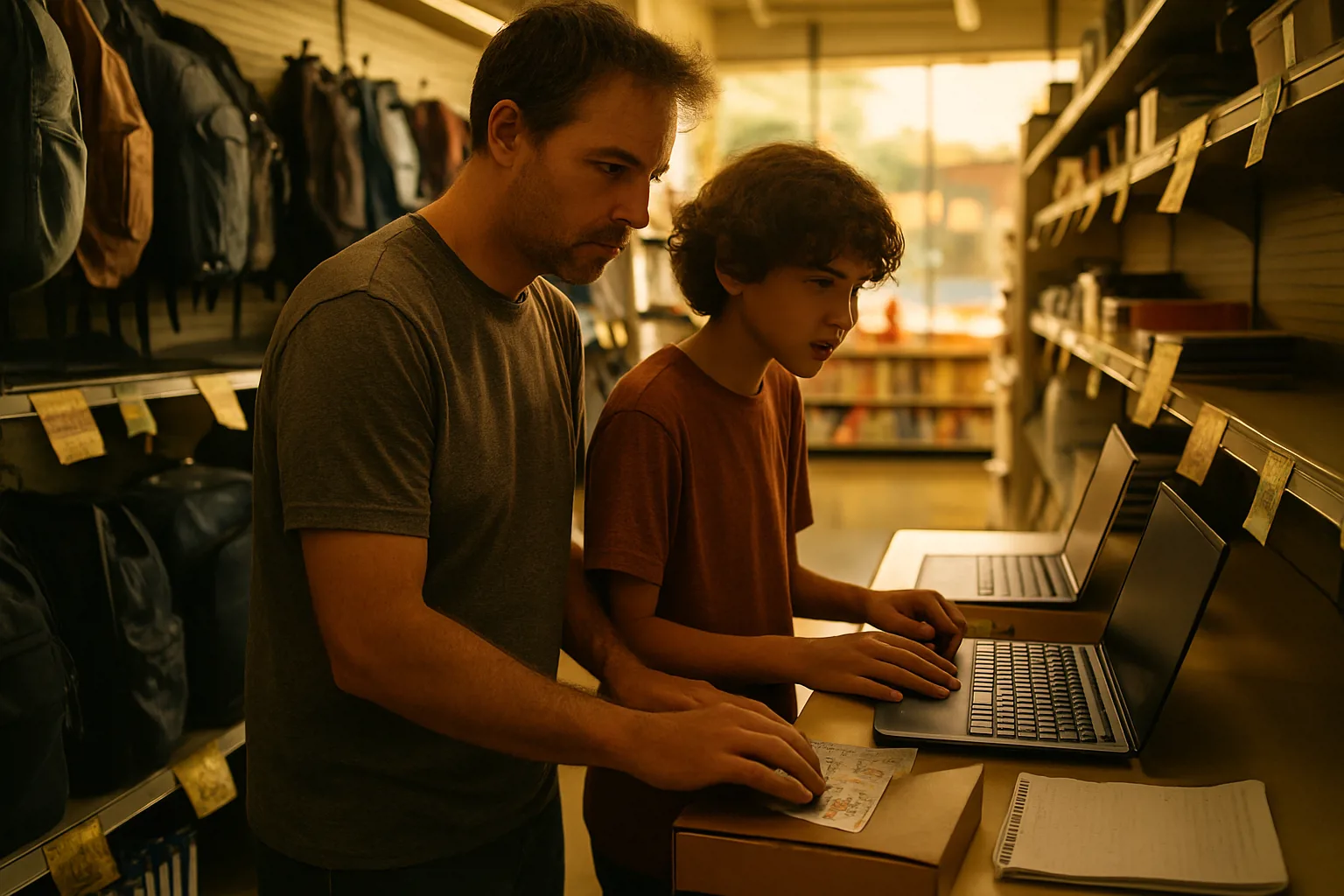
Explore the evolving landscape of back-to-school shopping in 2026, where traditional practices meet technological advancements and economic challenges.
- Spending per child remains consistent, adjusted for inflation.
- AI tools revolutionize back-to-school shopping strategies.
- Cost-saving tactics lead to higher spending among strategic shoppers.
- Children play a significant role in purchasing decisions.
- Retailers emphasize value through promotions and product diversity.
Back-to-school shopping in 2026 is a fascinating blend of the old and the new, where traditional habits intermingle with modern innovations. As families gear up for the academic year, they navigate economic challenges while embracing technological advancements to make informed purchasing decisions.
Understanding the Spending Trends
In 2026, families are preparing to spend an average of $557 per child on back-to-school supplies, amounting to a national total of approximately $30.4 billion. However, when adjusted for inflation, this spending reflects a 6% decrease from the previous year, highlighting economic pressures.
Budget Increases and Economic Concerns
Some reports, such as those from JLL, show an increase in budgets, with an 11.7% rise in spending to $489 per child compared to the previous year. Despite this, 57% of parents anticipate worsening economic conditions, encouraging cautious spending behaviors.
"The blend of traditional shopping habits with modern strategies marks the evolution of back-to-school preparations."
Economic Influences and Cost-Saving Strategies
Inflation and economic uncertainties have prompted families to adopt various cost-saving strategies. Around 31% of parents are employing methods like seeking sales and utilizing coupons. Interestingly, these hyper value-seekers often spend 14% more overall, suggesting strategic shopping can lead to higher expenditures.
- Seek out sales and discounts early.
- Utilize coupons and cashback offers.
- Compare prices across different platforms.
Shopping Behaviors: The Role of Early Shopping
A significant trend in 2026 is the shift towards early shopping. 62% of consumers began their back-to-school purchases by early July, aiming to secure the best deals and ensure product availability. This early start reflects a proactive approach to managing both budgets and expectations.
Children's Influence in Shopping
Another notable change is the increased influence of children in the shopping process. 61% of parents allow their children to add items directly to online shopping carts, showcasing the growing involvement of students in decision-making. This collaborative approach aligns with the digital age's emphasis on personalized experiences.
Technological Integration in Shopping
Technological advancements have significantly impacted back-to-school shopping. An impressive 73% of parents plan to use AI tools for research, price comparisons, budgeting, and finding deals. This integration of AI into shopping strategies exemplifies the merging of traditional practices with modern technology.
The Impact of Tax-Free Holidays
To alleviate financial burdens, several states are offering tax-free weekends. For instance, Virginia's tax-free weekend from August 7-9, 2026, provides consumers an opportunity to purchase qualifying items without state and local sales taxes. These initiatives play a crucial role in supporting budget-conscious families.
| State | Tax-Free Weekend Dates | Eligible Items |
|---|---|---|
| Virginia | August 7-9, 2026 | School supplies, clothing, computers |
| Florida | July 31-August 2, 2026 | Clothing, footwear, backpacks |
Retailer Strategies: Emphasizing Value
Retailers are adapting their strategies to meet the needs of budget-conscious consumers. By focusing on value through promotions and offering a wide range of products, retailers aim to attract families looking for quality and affordability. This focus on value is crucial in maintaining competitive advantage amidst economic uncertainties.
How Businesses Benefit from Evolving Shopping Trends
Businesses that understand and adapt to the evolving landscape of back-to-school shopping stand to benefit significantly. By leveraging technological advances, offering valuable promotions, and understanding consumer behavior, retailers can enhance customer satisfaction and loyalty.
Call to Action: For businesses looking to succeed in the competitive back-to-school market, embracing these trends and aligning strategies accordingly will be key. Stay ahead by understanding consumer needs and offering solutions that balance tradition with innovation.
Frequently Asked Questions
How much are families spending on average for back-to-school shopping?
Families are spending an average of $557 per child, totaling approximately $30.4 billion nationwide.
What role does AI play in back-to-school shopping?
AI tools are used by 73% of parents for research, price comparisons, budgeting, and finding deals.
How significant is the influence of children in the shopping process?
61% of parents allow their children to directly add items to online carts, showing significant influence.
Sources
- Deloitte: Back-to-School Spending Holds Steady During Economic Uncertainty - Press release | Deloitte US
- Back-to-school budgets up 11.7% in 2026
- Majority of Back-to-School Shoppers Get a Head Start on the Season | NRF
- US Consumer Poll on Back to School Spending: PwC
- Virginia Tax-Free Weekend 2026 Is August 7-9: What to Know Now